But it will redefine where it begins
Artificial intelligence is rapidly transforming the pharmaceutical industry, and for Indian pharma exporters, this shift carries both opportunity and urgency. While AI will not replace compliance teams, it is fundamentally changing how and when compliance is integrated into the export lifecycle especially in a landscape shaped by stringent global regulatory expectations.
Traditional Compliance Vs Today
Traditionally, compliance for many Indian pharma exporters has not been weak in intent. Most teams understand the importance of ALCOA principles and follow regulated practices during documentation, manufacturing, and quality review. The real challenge is often different: compliance evidence is not always organised, connected, and easily retrievable across systems. As a result, when queries come from agencies like the US FDA, EMA, or MHRA, teams may spend significant time compiling records, clarifying data, and connecting the regulatory story. This can slow response times, create unnecessary pressure, and undermine export credibility.
AI offers a different path. One that is particularly relevant for exporters navigating multiple regulatory regimes. By embedding intelligence right from the beginning of workflows, companies can proactively identify risks, ensure data integrity, and align documentation with global standards from the outset.
It is also important to leverage generative and predictive AI. While generative AI can help create, summarise, or interpret content, predictive AI works differently. It studies patterns, signals, deviations, and historical data to identify risks before they become compliance issues. This predictive intelligence forms the basis of Samwed, helping pharma teams move from reactive correction to proactive control.
Leading Pharma companies have been investing in digital systems and analytics to strengthen compliance readiness across manufacturing and documentation processes. Companies are exploring digital tools to enhance pharmacovigilance and regulatory reporting, ensuring faster and more accurate submissions to international authorities.

Real-time is the real strength
AI-driven tools can help exporters monitor batch records in real time, flag inconsistencies in manufacturing data, and ensure that dossiers meet country-specific requirements before submission. This is particularly valuable when dealing with diverse markets such as the US, EU, Africa, and Southeast Asia, each with its own regulatory nuances.
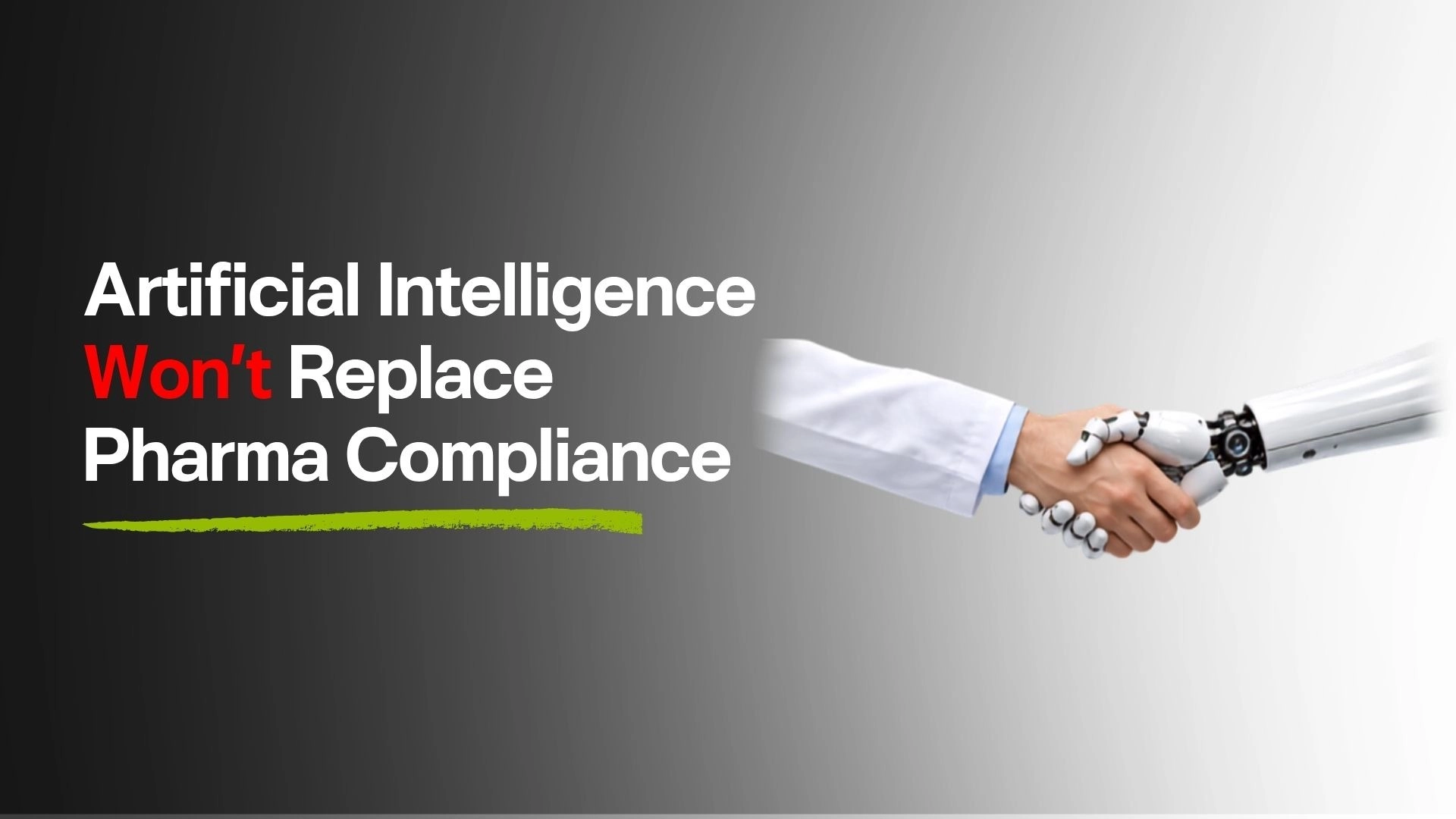
However, the future of compliance for Indian exporters is about augmenting human expertise. Regulatory affairs professionals, quality teams, and compliance officers bring critical understanding of global guidelines, cultural context, and ethical considerations—areas where AI alone cannot suffice. Strong governance frameworks and accountability remain essential, especially when dealing with high-stakes export markets.
In an industry where reputation and regulatory trust determine market access, speed must never compromise credibility. AI can help Indian exporters accelerate compliance processes, reduce manual errors, and improve consistency—but human oversight ensures that these processes remain robust and defensible during inspections.
For Indian pharma exporters, the real transformation lies in shifting compliance from a reactive checkpoint to a proactive. This requires an integrated function embedded across the entire export value chain. Those who adopt this approach will not only meet global standards more efficiently but also strengthen their position as reliable partners in the international pharmaceutical market.